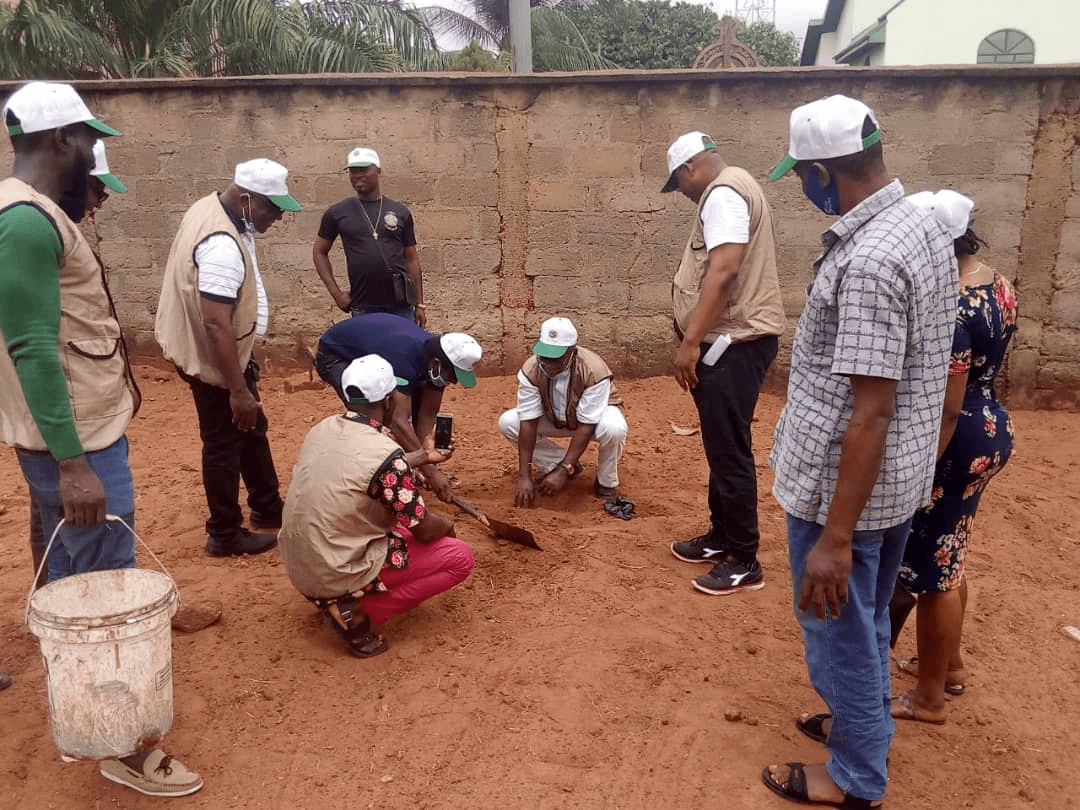
In communities where the nearest mental health professional may be hours away and where the cost of professional care is far beyond what most households can afford, peer support groups offer something remarkable: genuine psychological support, delivered by and for community members themselves.
A peer support group is a structured gathering of people who share common experiences, challenges, or identities — and who come together regularly to offer mutual support, share coping strategies, and reduce isolation. Unlike clinical therapy, peer support does not require professional credentials. What it requires is training, structure, compassionate facilitation, and the understanding that lived experience is itself a form of expertise.
The evidence base for peer support is robust and growing. Peer support has been shown to reduce symptoms of depression and anxiety, improve self-efficacy, reduce isolation, increase treatment adherence in people accessing formal care, and strengthen community social capital. In low-resource settings, where peer support may be the only psychosocial intervention available, its importance is magnified.
COMPSEI facilitates peer support groups across multiple demographic categories: women's groups that address gender-specific stressors such as gender-based violence, child loss, and the pressures of caregiving; youth groups that create spaces for young people to navigate the transitions and pressures of adolescence and early adulthood; and mixed community groups that address shared experiences of climate-related loss, disaster, and economic hardship.
Our facilitation model begins with intensive training for community facilitators — volunteers selected by their communities who demonstrate empathy, trustworthiness, and commitment. Training covers the principles of active listening, confidentiality, group dynamics, recognizing when to refer to higher-level care, and self-care for facilitators. We do not simply train and leave: we provide ongoing supervision, refresher training, and peer support for the facilitators themselves, recognizing that supporting others through difficult experiences requires support in turn.
The structure of our peer support sessions follows a consistent format that provides predictability and safety: a check-in ritual, a structured discussion topic or activity, open sharing time, and a closing reflection. This structure, while flexible enough to respond to group needs, helps participants know what to expect and builds the sense of safety that is essential for honest sharing.
The groups that COMPSEI facilitates are not just spaces for emotional support — they become engines of community action. Groups that have been meeting for several months often begin identifying collective challenges and developing community-led responses: forming savings groups to reduce financial stress, organizing advocacy campaigns around local issues, and creating informal networks of mutual aid that extend the support far beyond the formal group meeting. Peer support, in this way, becomes a seed from which broader community resilience grows.