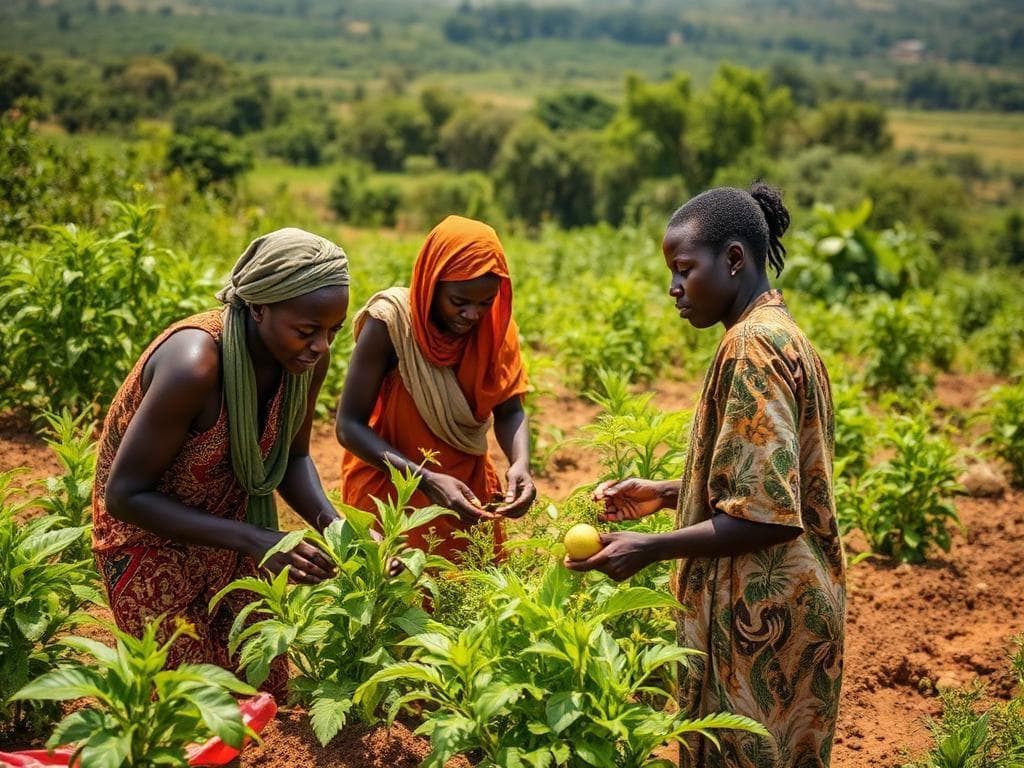
Every year, millions of Nigerians experience the devastating consequences of climate change: rivers overflowing their banks and swallowing homes, farmlands cracked and barren after months without rain, fishing communities watching their livelihoods disappear as lake levels drop. The physical damage is visible and widely documented. What is less visible — but no less real — is the psychological toll these events take on individuals, families, and entire communities.
The emerging field of climate psychology has documented what affected communities already know intuitively: climate change is a mental health crisis. The anxiety of watching weather patterns become increasingly unpredictable, the grief of losing crops, livestock, and homes, the despair of displacement with no clear path back — these are not mere emotional inconveniences. They are significant psychosocial stressors that, when left unaddressed, can lead to depression, anxiety disorders, substance misuse, family breakdown, and even suicide.
In Nigeria, the picture is especially stark. The North-East region has experienced devastating flooding for years, displacing hundreds of thousands of people. The Lake Chad Basin — a source of food and livelihood for millions — has shrunk by 90% over the past 60 years, pushing communities into poverty and conflict. In the Niger Delta, oil pollution has destroyed fishing grounds and agricultural land, eroding the economic and cultural fabric of riverside communities. Each of these environmental crises carries a heavy psychological burden that is rarely addressed in disaster response programming.
The traditional approach to climate disasters focuses almost exclusively on the immediate physical needs: food, shelter, medical care, reconstruction. These are, of course, essential. But they are incomplete. Studies from disaster-affected communities around the world consistently show that unaddressed psychological trauma interferes with recovery, undermines community solidarity, and impedes the adoption of climate adaptation strategies. People who are overwhelmed by grief, anxiety, and hopelessness are not in a position to plan for the future, rebuild livelihoods, or engage with community resilience programs.
COMPSEI's integrated approach recognizes that climate resilience and psychosocial wellbeing are inseparable. When we work with communities to develop climate adaptation plans — identifying drought-resistant crops, building water harvesting systems, establishing early warning networks — we simultaneously address the mental health dimensions of climate vulnerability. We create spaces for people to process grief and loss, build peer support structures that persist after immediate crises pass, and train community facilitators who can provide ongoing psychosocial first aid.
This integration matters for practical reasons. A farmer who has received counselling support after losing her crops is more likely to engage with agricultural adaptation training. A community that has processed collective grief after a flood is better equipped to organize and implement disaster preparedness measures. Psychological resilience and environmental resilience reinforce each other.
The global conversation about climate change often centers on carbon emissions, renewable energy, and international policy. These are critically important. But for rural Nigerian communities already living on the frontlines of climate impacts, the immediate need is for responses that address the whole person — body, mind, and community. COMPSEI is committed to ensuring that psychosocial support becomes an inseparable part of every climate response in the communities we serve.